You have made a foolish bet.
Accompanied only by your loyal servant, Passepartout, you will attempt to circumnavigate around the world in eighty days. You will feel the ice of the mountains and see the glittering desert sands. You will hear the voice of the jungle and taste the finest foods of Europe. You may even smell the money, if you return and claim your prize.
This will be a journey of the senses!
The five senses are hugely important in your writing, and you should aim to use all of them when writing descriptively.
Why use senses in our writing?
1. They are a key part of imagery, when writers create pictures in the reader’s mind. When we think of a picture, we think only of the sense of sight, but imagery is more than that. We can hear the music, smell the perfume, taste countless flavours: we can feel imagery in every sense. So do not limit yourself to just what is seen — make your writing come alive.
2. Life (and writing) is also about emotion. We often call our senses ‘feelings’ for a reason. When we create a setting, we want to give it a mood. This is called atmosphere. A beach might have an excited atmosphere, a castle a haunted atmosphere, and a shop a busy atmosphere. You must decide your atmosphere before you start writing, and use all the senses to help create it.
[Placeholder teaching — define atmosphere (the mood or feeling a setting creates) and the five senses writers use to build it: sight, sound, smell, taste, touch. Show one short Verne extract and label the senses.]
Click each glowing pin on the globe to visit Fogg's stops. Each location has a sensory challenge — complete all four to win the bet and unlock the finale. Drag the globe to spin it.
🐅Bandhavgarh Jungle, India
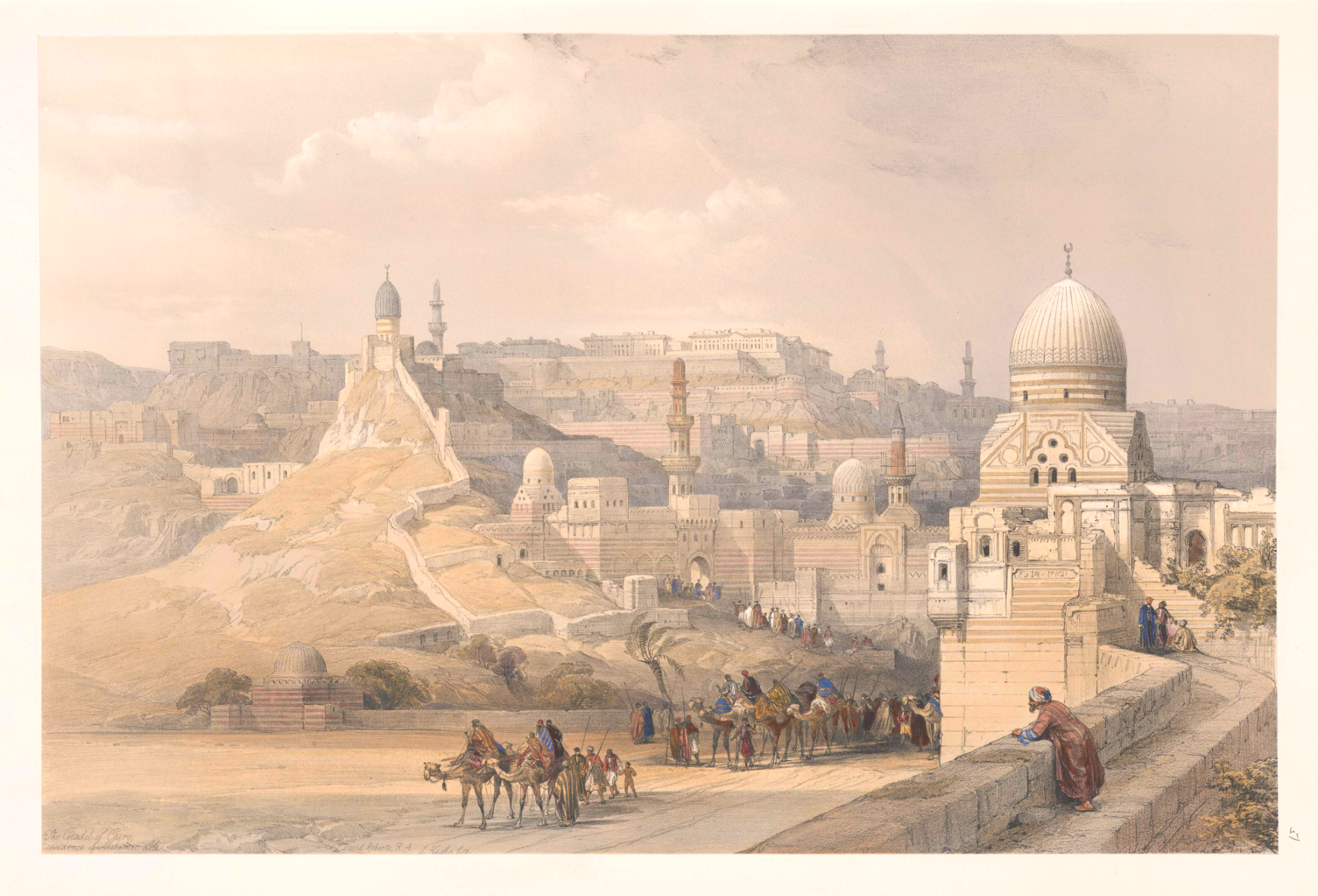
🏜️Suez, Egypt
🏔️The Rocky Mountains, USA
🌊The Pacific Ocean
You are almost home and dry!
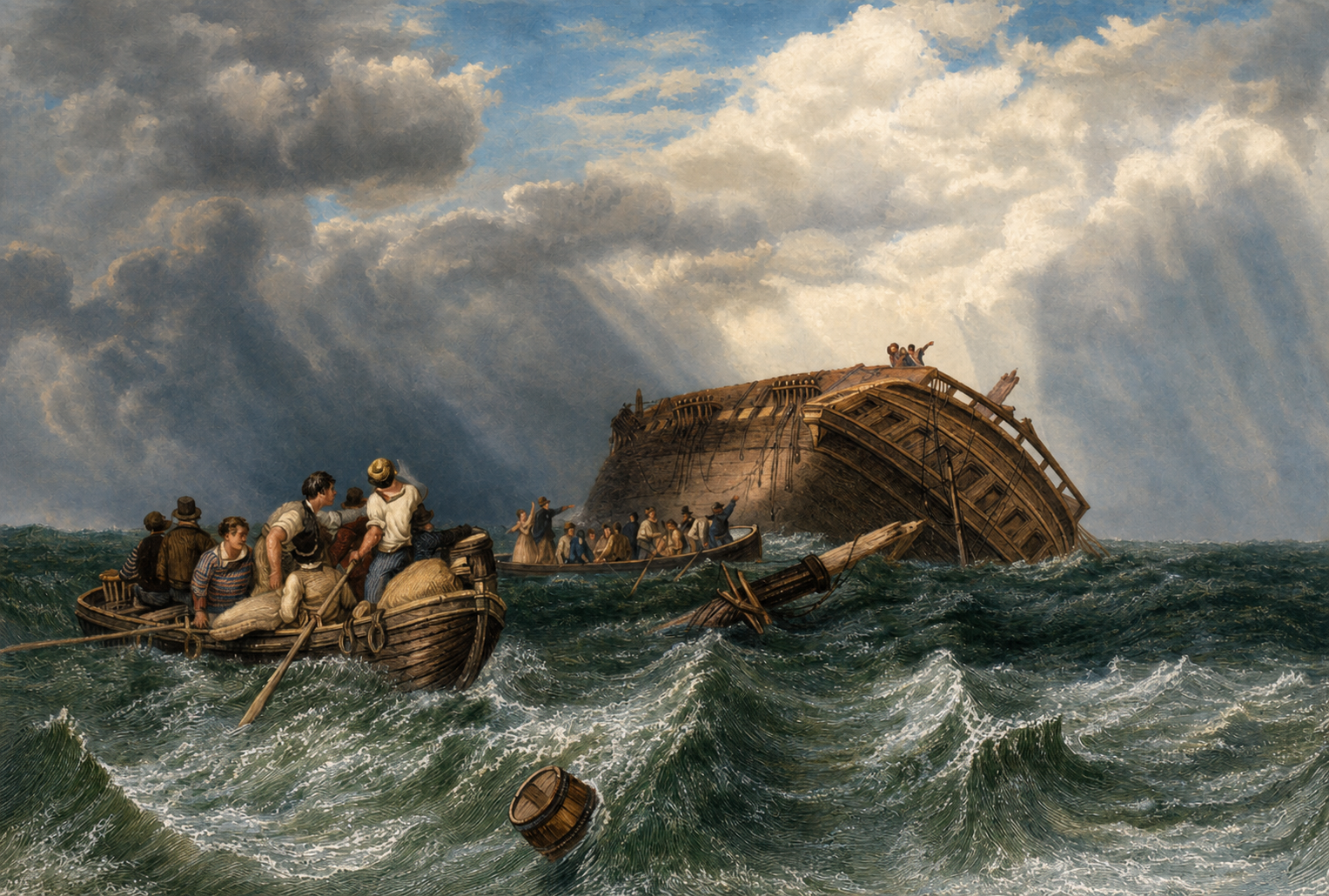
As you cross the Atlantic Ocean, your ship begins to run low on fuel…
You will need to use all your senses to stay alive.
It’s time to test what you have learnt. Every question mistake loses a life — you have five in total. Spend them carefully…
Congratulations!
Nobody can quite believe their eyes.
You stride through the doors of the Reform Club to the gasps of the gentlemen within. Phileas Fogg has done the impossible. The wager is yours.
The world is yours.